
For the first time ever, we’re sharing our behind-the-scenes water status. Putting you in control of your garden hose use, so you can help your water last all summer.
We know we need to make improvements. The way we’ve communicated in the past hasn’t always been as good as it can be. We know we need to be better – clearer, simpler and more helpful.
So this year we’ve decided to take you behind the scenes. You can now check your local water status before you use your hose. By making decisions based on your area’s status, you can help your water last all summer long.
Check our tool to see your region's status
Select your region to see your current water status – and find out what it means.

How it works
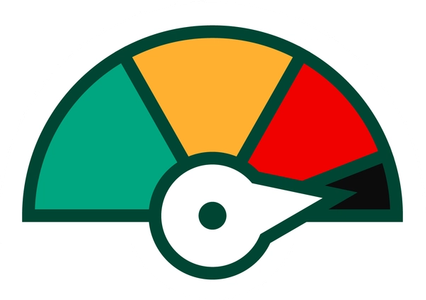
Before you use your garden hose, just take a moment to look at your region’s Summer Hose Check dial. This shows the current water status from Green to Amber to Red to Black.
Before Black, the higher the status, the greater the pressure on your local water supply – and the higher the risk of going into Black (hosepipe restrictions) if things don’t stabilise or improve.
Putting you in control
Our aim is to prevent hosepipe restrictions this summer. So we’re taking you behind the scenes of water supplies – showing you exactly how weather, customer demand and water levels are affecting the status.
You can then take the action that’s right for your region. Every change you make helps to pace water demand as the temperature rises and falls, helping to keep your summer flowing as it should.
Why garden hoses?
A garden hose can use up to 1,000 litres an hour. That’s about the same as an average person uses in a week. On a warm day from 20 degrees upwards, there’s a big spike in water demand, led by hoses.
During a warm spell, customer demand can go higher than the network can keep up with. If it escalates beyond a critical point, we may have no choice but to implement hosepipe restrictions.
Can I really make a difference?
Yes, your contributions are vital. Every change you make has a real impact on your local water supply, helping your water last all summer – so thank you.
The more people who take part in Summer Hose Check, the better for your area – so please spread the word to friends and neighbours!
Together, we can make the most of the warmer weather.
Simple swaps to keep summer flowing
What should I do in Green?
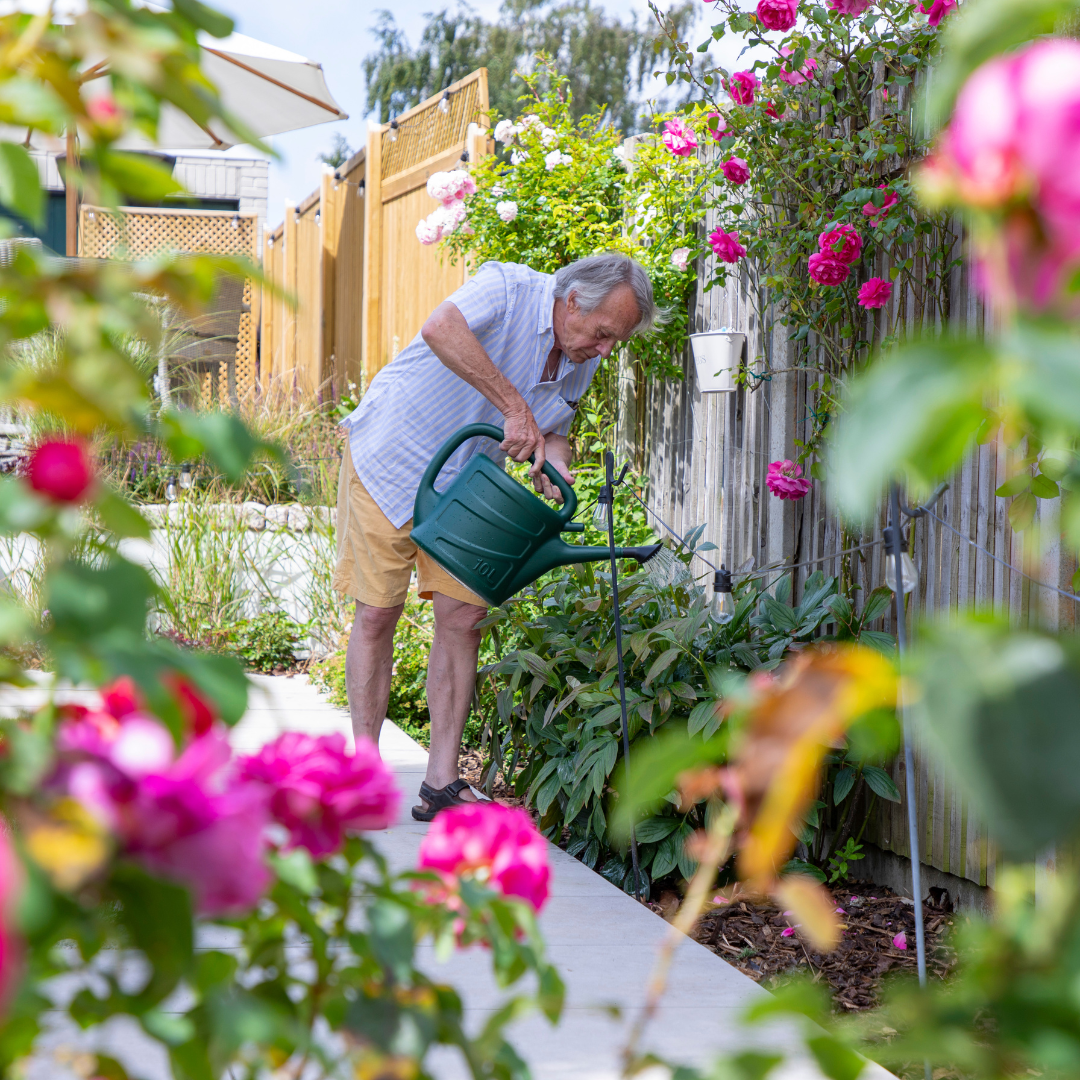
- Swap the hose for a watering can
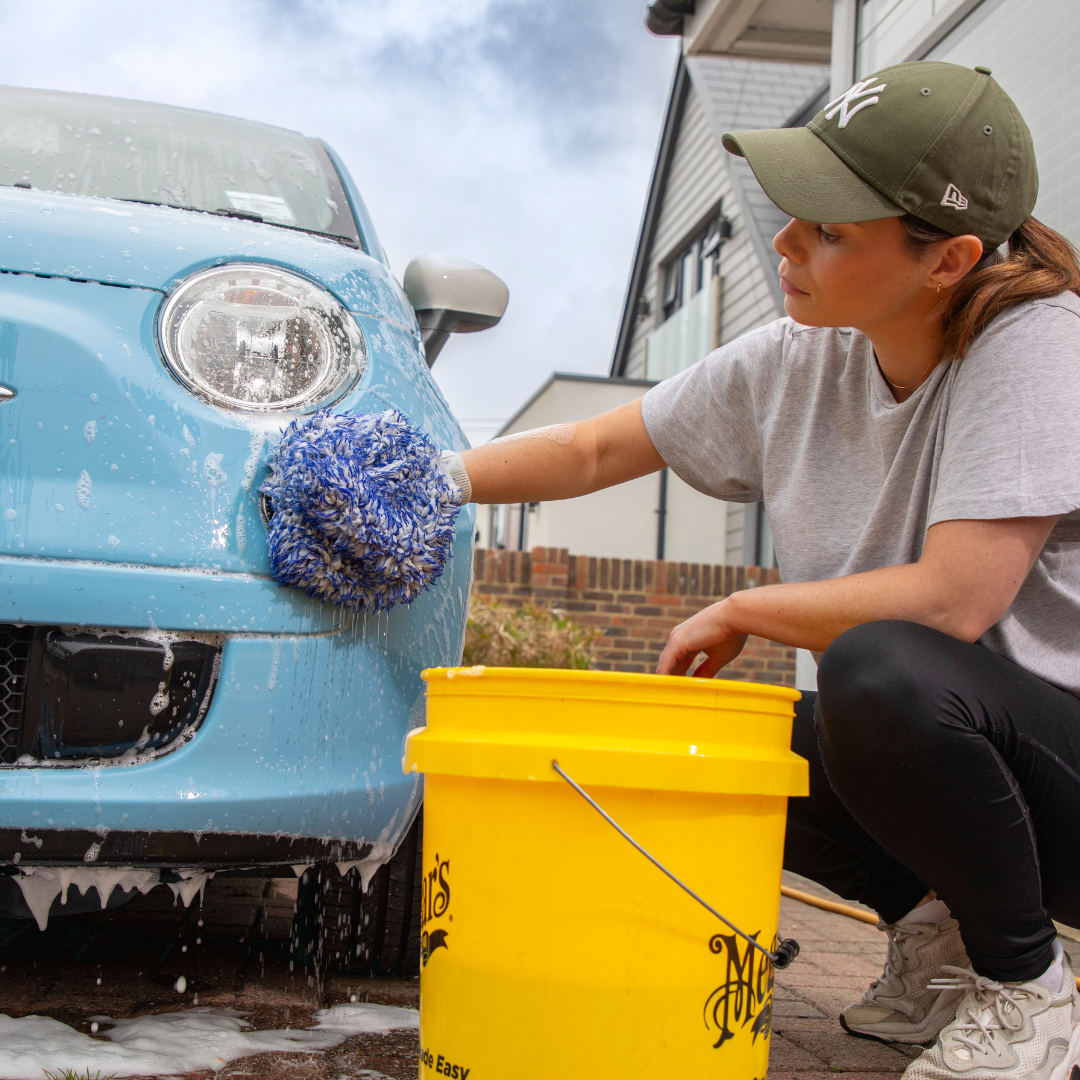
- Wash your car with a bucket
- Cover the paddling pool rather than empty and refill it
- Jet wash now to save water later
- Refill your hot tub now to save water later
What should I do in Amber?
- Significantly reduce hose use
- Swap the hose for a watering can
- Wash your car with a bucket
- Cover the paddling pool rather than empty and refill it
- Let the kids play with water pistols

What should I do in Red?
- Pause all hose use
- Only use a watering can
- Let the kids play with water pistols
- Don’t refill paddling pools or hot tubs
- Don’t use a jet washer
What should I do in Black?
- Hosepipe restrictions are in place
- Don’t use your hose
- You can use a watering can
- You can reuse water from inside (baths, showers, sinks) in the garden
- Some exemptions apply, see here(opens in a new tab)
What happens next?
Summer water use is highly dependent on the weather, and it only takes a small increase in temperature for customer demand to shoot up and put pressure on the water supply network.
Green status means water levels are steady – but it’s a good idea to use your garden hose a bit less whenever possible, to help your water last all summer.
After Green, the next status is Amber. This means your region has moved one stage closer towards hosepipe restrictions. At Amber status, it will be vital to reduce hosepipe use to avoid moving into Red.
At Red status, we’ll ask you to voluntarily pause your hosepipe use to prevent going to the next stage, Black.
At Black status, hosepipe restrictions will be introduced. You won’t be able to use your hose, but you can still use a watering can and reuse water from inside (baths, showers, sinks). Some exemptions will apply, see here(opens in a new tab).
But while we can’t control the weather, we can decide how much to use our hoses, and every change has a real impact. Every action you take helps keep your summer flowing as it should.
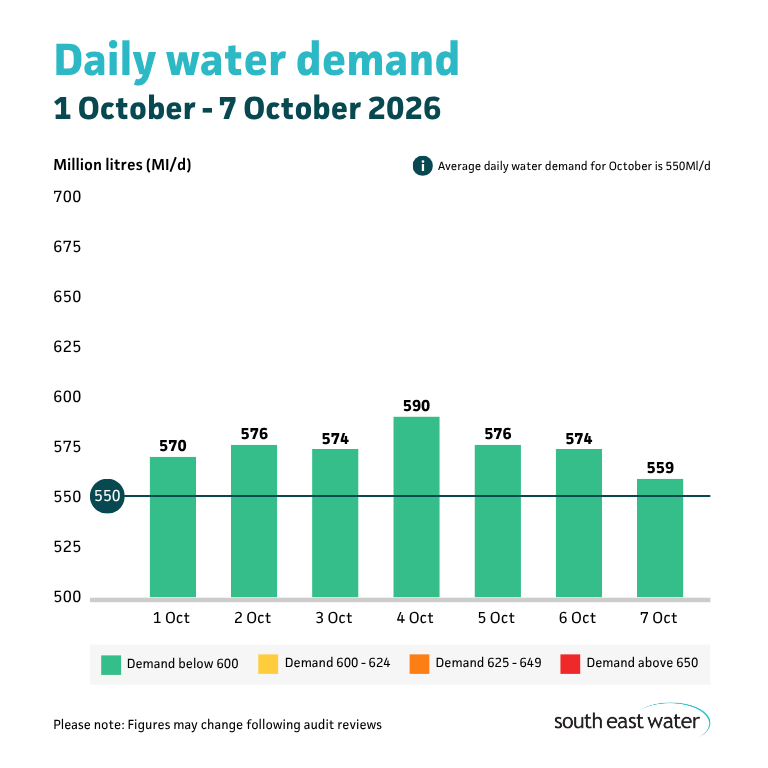
Current demand

What are we doing?
This is a crucial question our customers are right to ask. Maintaining a good water supply in your area is of paramount importance to us. It is our responsibility to do everything we can to avoid restrictions and make your summer the best it can be.
As part of this, we are investing significantly in infrastructure, leakage reduction and smart metering to create a more resilient water supply.
You can find out about our work on tackling leaks here(opens in a new tab).
To prepare for summer we have:
- Increased the amount of water we can treat at several sites across Kent and Sussex.
- Changed when we do maintenance on our water treatment works and treated water storage tanks to make sure we have as much water available as possible.
- Increased the amount of untreated (raw) water we can take from locations in Kent.
- Launched a comprehensive leakage recovery strategy, investing in new detection technologies, expanding our specialist teams, and increasing investment across our network.
- Appointed a dedicated Alternative Water Manager and bought additional water tankers. These tankers help us move water around the network and boost supplies if needed. We have 11 currently in use.
- Identified ‘at risk’ areas for closer monitoring and developed plans to put in place if there are any further water shortages.
There’s still more to do. The south east of England is one of the most water-stressed areas in the country. We need new treatment plants, storage reservoirs and pipes to make sure we always have enough water in the future. It takes time to plan and build these – and that’s exactly what we’re doing.
Reducing the risk of supply interruptions
We’ve started an accelerated six-month programme of operational changes and engineering works to reduce the risk of supply interruptions and improve customer experience. The works include:
- Improving water pipe and network connections, to maximise the flow of available water in the network from local drinking water storage tanks
- Proactively moving water around the network
- Reviewing the performance of Water Treatment Works and accelerating technical upgrades that were previously scheduled later in South East Water’s resilience programme
- Fast-tracking the investment installation of batteries at key sites to mitigate the impact of any power blips, particularly when hot weather or high demand periods drive power surges
- Installing additional temporary drinking water storage tanks at critical sites to provide additional treated water storage, increasing the volume of water available.
Together, these changes seek to improve resilience and the water supply by increasing the availability of water when customers and communities need it most – particularly during peak periods.
Improving Customer Experience
In the event of future water supply outages, we’re making changes to our operations which include the way we supply alternative water to customers. In particular, we’ll be looking at how we provide water to critical care sites including care homes, GP surgeries, and schools.
As part of this, we’re working closely with local resilience and community groups to ensure alternative water sources – including water tankers and bottled water stations – are in optimal locations to support the needs of local communities, and they have sufficient resources to maximise the volume of water when it is needed most.
To manage these resources, we’ll digitise our operations when stocking and delivering alternative water to customers. This will mean we’re more efficient in the way we respond to incidents and help make sure customers and communities can rely on us to maintain alternative supplies.
Future plans
We also have lots of plans to improve our network in the future. These are set out in our business plan. You can read the plan here(opens in a new tab) or a summary of the plan here(opens in a new tab).